Labor Day
We are killing ourselves with efficiency. We are killing our culture, our society, our communities.
First, apologies for not getting a post out last week. I was traveling and then came home to the dramatic conclusion of the many-part saga of the now-infamous house renovation. So I couldn't find much of anything. It was like moving, with everything in boxes, or nesting doll improvisations of unrelated objects inside other unrelated objects, and all stored away wherever the construction guys could manage to stuff it. This included everything I use in my office.
I have respectable bathrooms, now. People aren't afraid of them anymore. The one that smelled like dead rat, because it turned out that there were a couple of dead rats in the wall, no longer smells like dead rat. I can take a shower in an actual shower with fancy tile and a fancy showerhead that feels like a tropical rain, like the New Age woo-woo music that you hear in woo-woo spas ought to be pumped in. The first time I took a shower in it, I laughed a little because the before-and-after distinction was so sharp. "This can't be my house," I said to myself.
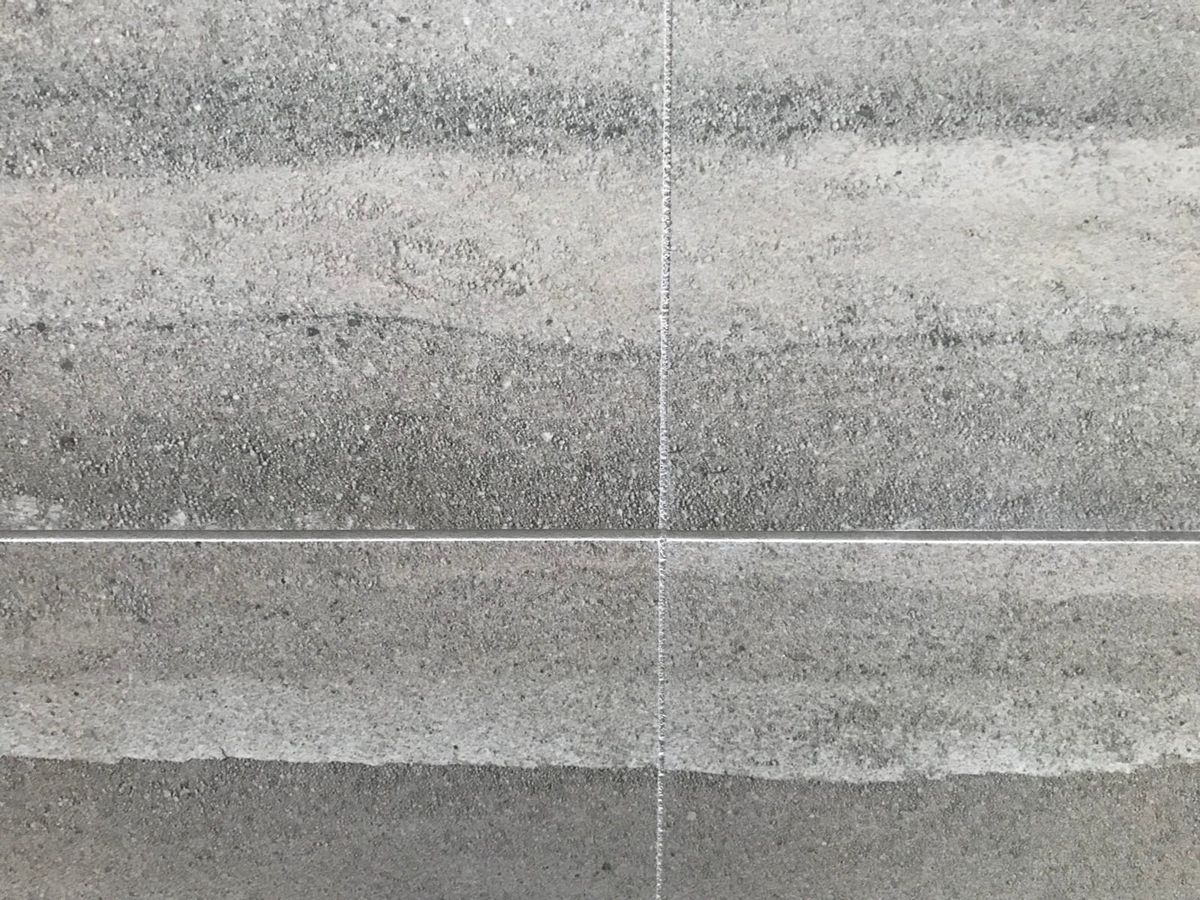
The second time I took a shower I kept noticing the tiny details of the tile job. Every line of grout met at precisely the right intersection with every other line. Every tile aligned perfectly with every other tile. The striations in the tile (a little like wood grain) met up with the striations in the tile next to it.
The tile guy, a fellow named Mike, has been doing this work for a long time. He apprenticed under an old, veteran tile guy.
Mike's not fast. When he first showed up at my house, he looked at a partly finished shower that had sat so partly finished for, oh, fifteen years, and said "We'll be taking down this cement board." The cement board – like drywall, only made of cement and often used on shower walls – had been installed by another contractor before I ran out of money and patience. Mike considered cement board an unacceptable shortcut as a substrate for his tile job. He preferred – no, demanded – that it be removed so he could apply a coat of "mud" over metal mesh, let that dry, then trowel on a scratch coat over that, letting that dry, and doing some sanding and scraping before even thinking about laying a piece of tile.
"Yeah," he said when I pointed out that I had paid for said cement board to be installed, "not many do it my way any more, but it's better and you're going to like the result."
Then Mike did a lot of math to create a plan for where every tile would go. We were a week into the tiling of this one shower and he still hadn't laid any tile. All this was inefficient if by "inefficient" you mean achieving maximum productivity in the shortest time at the cheapest cost.
We are killing ourselves with efficiency. We are killing our culture, our society, our communities.
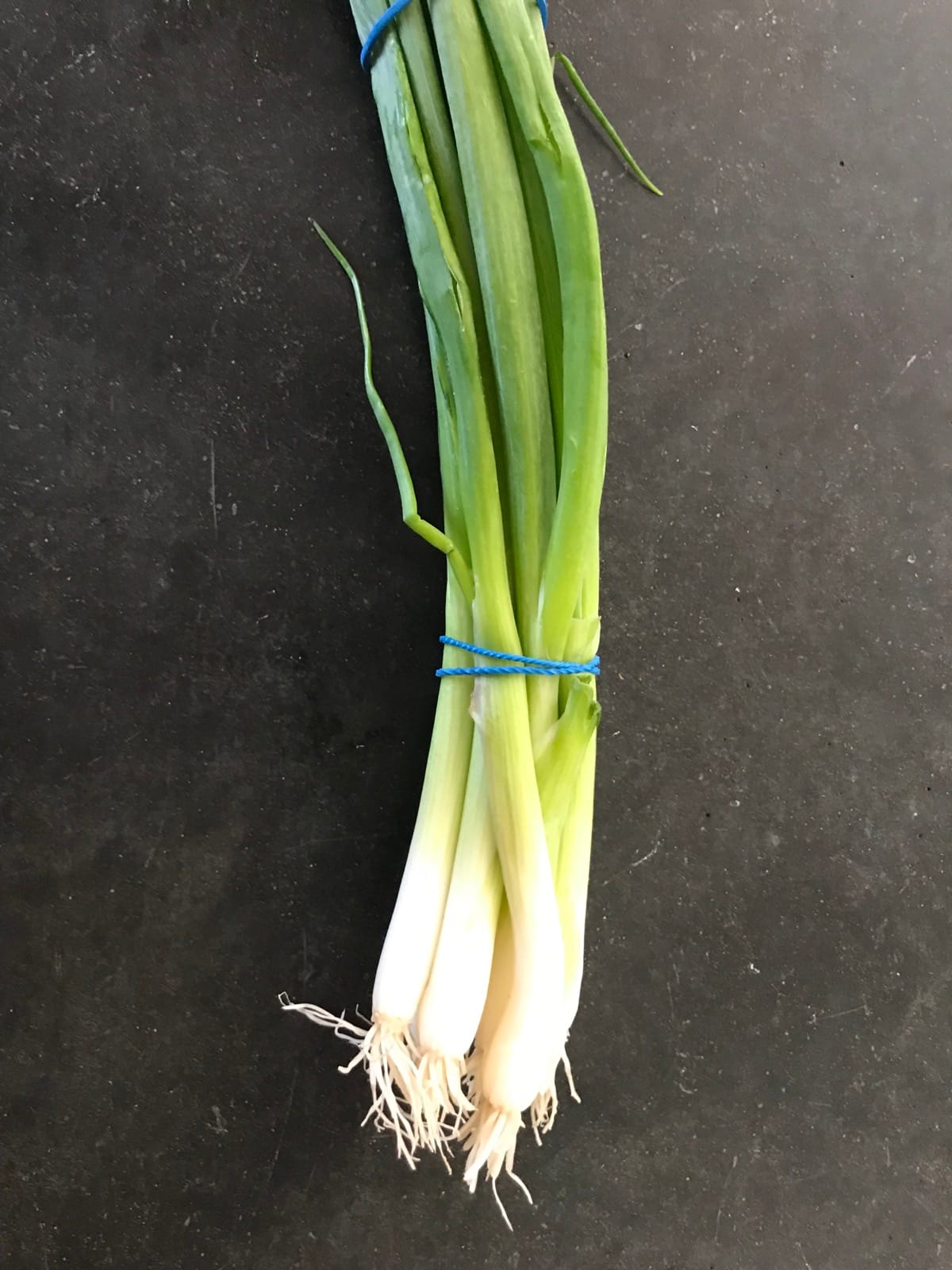
The Lowe's store where I bought the tile grout for Mike has been made more "efficient" by replacing all but one cashier with self-service checkouts. The supermarket where I used to shop did the same, so I now do most of my grocery shopping at a little store where the cashiers are sweet Mexican-American ladies with astonishing fingernail art who are tolerant when I try to use my Spanish. They make a little small talk with me. The interaction lasts, maybe, a minute, but it's nice and makes me feel good. It's kind of inefficient, though, because the store has to pay them for their labor, and they are not being paid to help a gringo with his pronunciation of "cebollines."
It has long been my belief that people do not work for money. Of course, people need the money, and they deserve to be paid fairly for their work. But I've spent more than a decade talking to laboring people about their jobs, including those that might be considered "menial," and I've found that most, even those who say they hate their jobs, try to create meaning out of them.
In a tavern outside of Toledo, Ohio, I sat drinking beers with two guys who worked on the line at an auto transmission plant.
"We used to laugh at the robots," one said. "When they first came in, they were so slow. We would sorta hurry and outproduce them. But one of the lines was about 18 people, and now they can run it with, like, five."
"We would sorta hurry and outproduce them." There is pride in that statement. Soul. There is no soul in AI. There is no soul in a giant warehouse full of computer servers. There is no soul in a robot or an automated checkout terminal. The data center opposition that has spread like an inferno across the land is a lot about soul and the fear of irretrievably losing it.
I am not against technology or tools per se. After all, I am writing this on a computer and I will send it out into a digital realm. But whatever humanity you feel in these words comes from the indefinable miasma of my time, experience, learning, and interactions with my fellow human beings.
This is labor. I hope it makes some connection with you, like the small moments of community I share with the checkout ladies. All such interactions help to form the intercellular matrix holding society together.
We're all going to die. The sun is going to go supernova. The universe will collapse in on itself. But when I stand in my new shower, and admire the work of a craftsman, I stand in defiance of all that and marvel at how one man's work can inspire a feeling of triumph about my human dignity.
Happy Labor Day.
Comments ()